Outdoor spaces have evolved into more than just decorative extensions of a home. They now serve as functional environments where people relax, entertain, and spend meaningful time. As expectations shift, homeowners are placing greater emphasis on designing outdoor areas that feel intentional, comfortable, and adaptable to changing needs.
This evolution has brought new attention to how structure, technology, and layout work together. A well-designed exterior space is no longer defined by a single feature but by how multiple elements interact to create a seamless experience. From shaded areas to integrated entertainment, each decision shapes how the space is used and enjoyed.
Rethinking the Purpose of Outdoor Spaces
Source: stonemanlandscaping.com
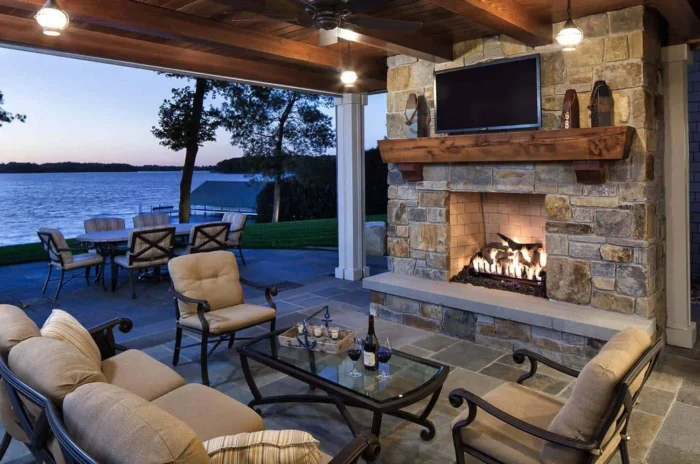
For many homeowners, the backyard was once an afterthought—an open area with limited functionality. That mindset is quickly changing. Outdoor spaces are now treated as extensions of indoor living, offering opportunities for relaxation, socializing, and even productivity.
This shift requires a more thoughtful approach to design. Instead of focusing solely on appearance, homeowners are considering how each feature contributes to usability. The goal is to create an environment that feels cohesive, where every element has a clear role.
From Passive Areas to Active Living Zones
Transforming a backyard into a functional space often begins with defining zones. A shaded seating area, a dining space, and an entertainment section can coexist without feeling crowded when planned correctly. This structured approach makes the space more inviting and easier to use on a daily basis.
It also allows homeowners to maximize available space, ensuring that no area is left underutilized. By assigning purpose to different sections, the outdoor environment becomes more dynamic and engaging.
Blending Comfort With Practical Protection

Source: elevatedoutdoorliving.co
Comfort in outdoor spaces is closely tied to protection from environmental elements. Exposure to direct sunlight, rain, or debris can quickly limit how often a space is used. This is where covered structures play a crucial role in modern design.
Whether it’s a patio cover, carport, or custom canopy, these additions provide shelter while enhancing the overall aesthetic. They create a sense of enclosure without sacrificing openness, allowing homeowners to enjoy the outdoors under a wide range of conditions.
Designing Covered Areas That Feel Natural
The most effective covered structures are those that integrate seamlessly with the home’s architecture. Rather than appearing as separate installations, they should feel like natural extensions of the property. This requires careful consideration of materials, proportions, and alignment with existing design elements.
Homeowners exploring durable and visually refined solutions often turn to patio covers with Royal Covers, where structural performance meets thoughtful design. When executed properly, these features not only improve usability but also enhance the overall character of the home.
Incorporating Entertainment Into Outdoor Design

Source: trendzoutdoors.co.nz
Entertainment has become a central component of outdoor living. From casual gatherings to family movie nights, homeowners are finding creative ways to bring indoor experiences outside. This has led to the rise of integrated entertainment features that blend seamlessly into the landscape.
One growing trend involves concealed or adaptable technology that doesn’t disrupt the visual flow of the space. For example, solutions highlighted in innovative outdoor entertainment setups demonstrate how functionality and design can coexist without compromise.
By incorporating these elements thoughtfully, outdoor areas can become versatile spaces that cater to a wide range of activities while maintaining a clean and cohesive appearance.
Balancing Aesthetics With Long-Term Value

Source: wrfdesigncenter.com
While visual appeal is important, long-term value often depends on durability and adaptability. Outdoor features are exposed to varying weather conditions, making material selection and structural integrity essential considerations.
Choosing high-quality materials can significantly reduce maintenance requirements and extend the lifespan of installations. Metal frameworks, weather-resistant finishes, and reinforced structures offer resilience while maintaining a polished look.
Beyond materials, thoughtful design choices also contribute to long-term value. Features that can serve multiple purposes or adapt to changing needs provide greater return on investment over time.
Considering Financial Support and Planning
For homeowners planning significant upgrades, understanding available resources can be beneficial. Programs such as home improvement assistance initiatives highlight how structured planning and financial support can make projects more accessible.
While availability varies by region, the broader principle remains the same—careful budgeting and informed decision-making play a key role in successful exterior design projects.
Creating a Cohesive Outdoor Experience
Source: prosecurityandautomation.com
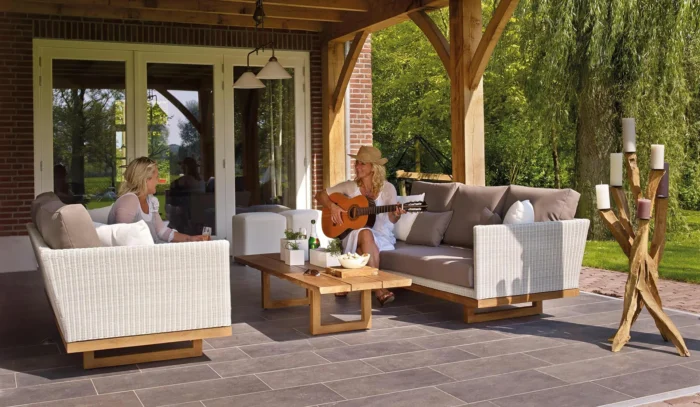
A cohesive outdoor space doesn’t happen by accident. It requires attention to detail and a clear vision of how different elements will work together. From layout to material selection, every decision should contribute to a unified design.
Consistency in color palettes, textures, and structural lines helps tie the space together. This creates a sense of harmony that makes the environment feel intentional rather than pieced together over time.
Equally important is the flow between indoor and outdoor areas. Smooth transitions—such as aligned flooring or complementary design elements—can make the entire property feel more connected.
Planning for Flexibility and Future Needs
Outdoor spaces should be designed with adaptability in mind. As lifestyles change, the way these areas are used may evolve. Flexible designs allow homeowners to modify or expand their spaces without major disruptions.
For example, a covered seating area could later be transformed into a dining space or an entertainment zone. This level of versatility ensures that the space remains relevant and functional over time.
Maintenance also plays a role in long-term usability. Regular care, combined with durable materials, helps preserve both the appearance and functionality of outdoor features.
Conclusion
Modern outdoor design is about more than enhancing appearance—it’s about creating spaces that support everyday living. By combining thoughtful planning, durable structures, and integrated features, homeowners can transform underutilized areas into functional and inviting environments.
The most successful designs are those that balance comfort, practicality, and visual harmony. When each element is chosen with intention, outdoor spaces become natural extensions of the home, offering both immediate enjoyment and lasting value.


